


Chugach National Forest covers a vast area of south-central Alaska, stretching from the Kenai Peninsula across Prince William Sound and into the Copper River region. It is one of the largest national forests in the United States and contains a varied landscape of mountains, glaciers, coastal fjords, rivers, wetlands, and dense spruce and hemlock forests. The forest surrounds communities such as Seward, Cordova, and Whittier, while Anchorage lies near its western edge. Its combination of coastal and alpine environments gives Chugach a particularly varied landscape within a relatively accessible part of Alaska.
The forest lies within the traditional homelands of several Alaska Native peoples, including the Alutiiq, Eyak, and Ahtna. Indigenous communities have long relied on the region’s forests, rivers, coastal waters, and wildlife for food, travel, and cultural practices. The area also contains evidence of historic mining, fishing, logging, and transportation activities that shaped settlement around Prince William Sound and the Kenai Peninsula. Today, cultural heritage remains part of the region’s identity, alongside communities whose economies continue to be connected with fishing, tourism, recreation, and natural resources.
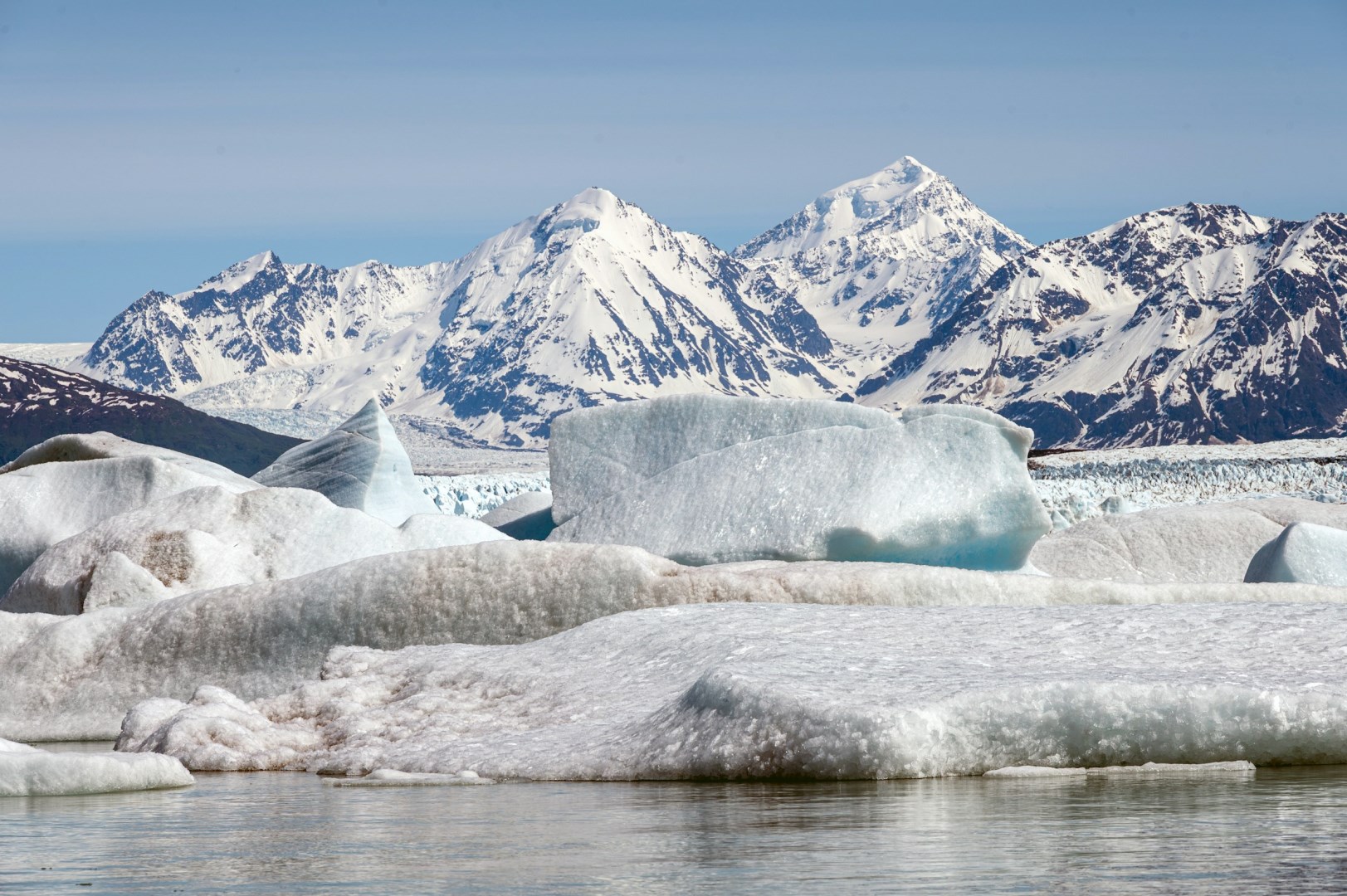
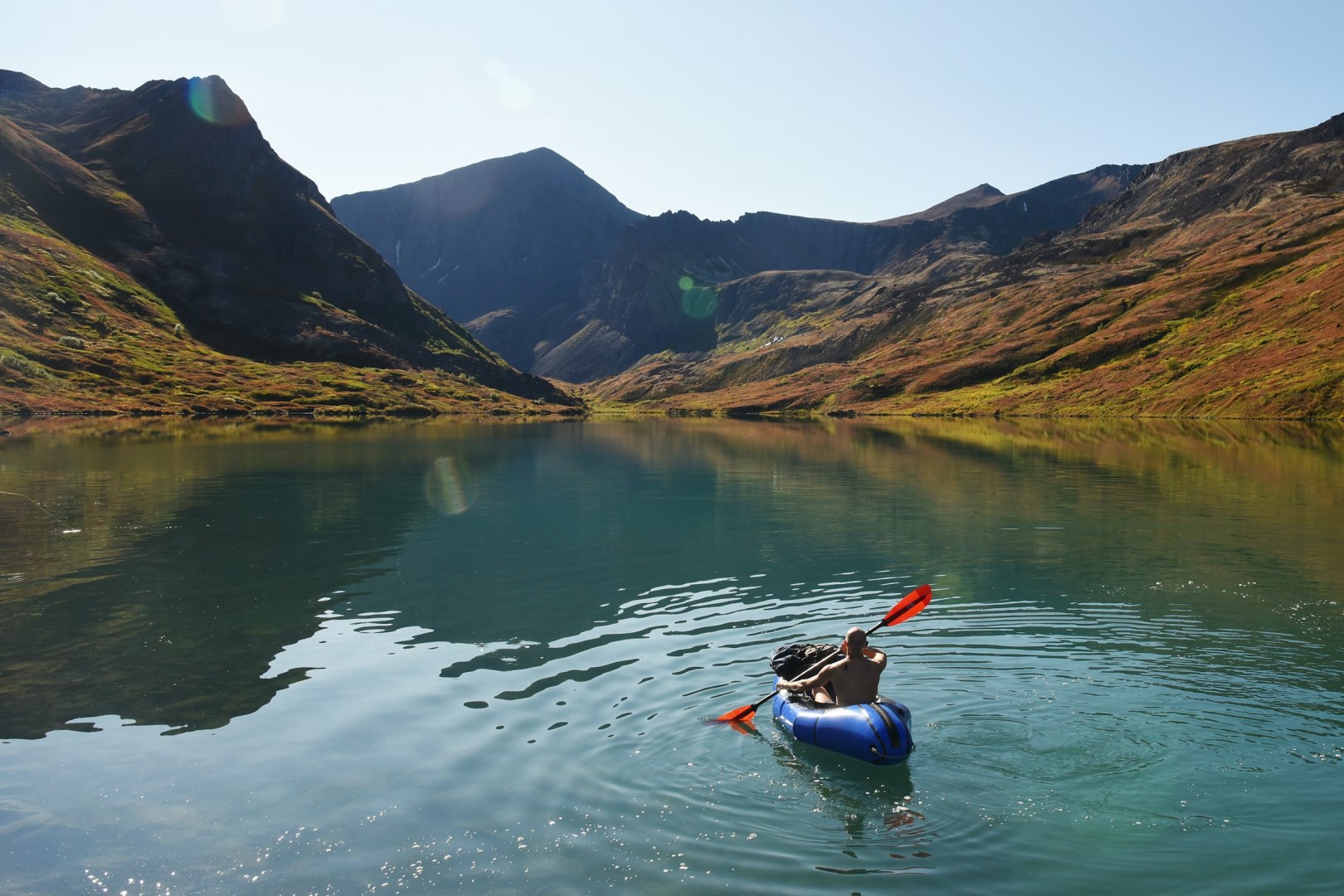
Chugach National Forest contains some of Alaska’s most accessible glaciers and coastal wilderness. The Kenai Fjords area near Seward provides access to tidewater glaciers and marine wildlife, while the Prince William Sound coastline is marked by steep mountains, fjords, islands, and icefields. The Portage Valley includes Portage Glacier and the Begich, Boggs Visitor Center, while the Turnagain Arm area offers views of mountains, tidal flats, and forested valleys. Hiking, kayaking, camping, fishing, wildlife viewing, and boating are common activities, with black and brown bears, moose, mountain goats, bald eagles, sea otters, and seals found across different habitats.
Food associated with the Chugach region reflects Alaska’s coastal and forest environments. Salmon, halibut, shellfish, berries, and wild game are important traditional and contemporary foods, while locally gathered blueberries, salmonberries, and crowberries are used in jams, desserts, and other dishes. Fishing remains particularly important around Prince William Sound and the Kenai Peninsula. A distinctive feature of the forest is its unusually close relationship between mountains and sea: visitors can travel from coastal rainforest and marine waters to alpine terrain and glaciers within a short distance. This compact range of ecosystems is one of Chugach National Forest’s defining characteristics.

