• Home Page
  • Destinations
    • Destination Search
  • Cruises
  • Tours
  • About Us
  • Contact
  • Home Page
  • Destinations
    • Destination Search
  • Cruises
  • Tours
  • About Us
  • Contact

Africa  |  Botswana  |  Kgalagadi Transfrontier Park

Slideshow Placeholder
 Photo Credit: Photo by Antonius Smal on Unsplash
Photo Credit: Photo by Antonius Smal on Unsplash
 Photo Credit: Photo by Antonius Smal on Unsplash
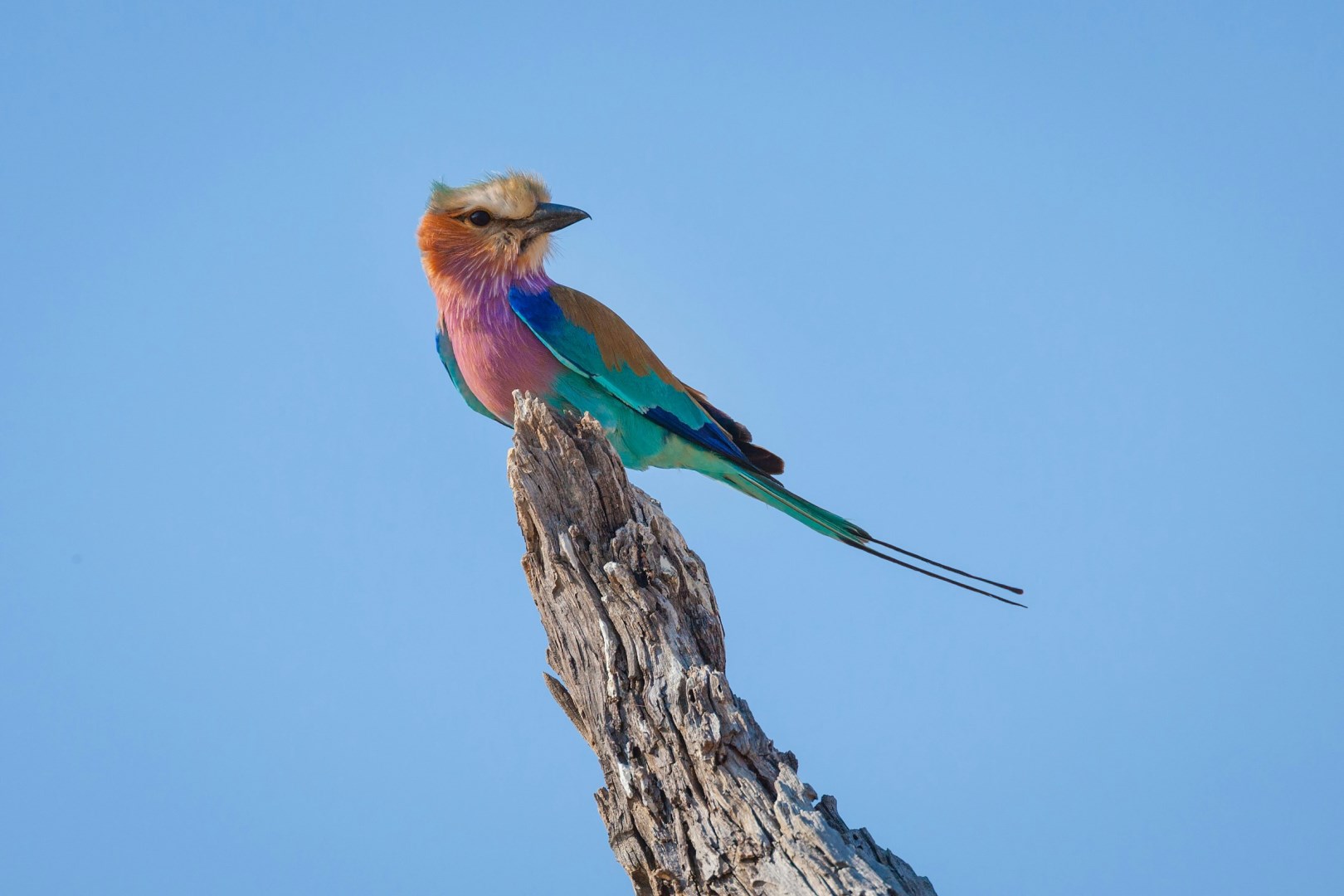
Lilac-breated Roller - Photo Credit: Photo by Chris Stenger on Unsplash
Lilac-breated Roller
Photo Credit: Photo by Chris Stenger on Unsplash
Lilac-breated Roller - Photo Credit: Photo by Chris Stenger on Unsplash
 Photo Credit: Photo by Antonius Smal on Unsplash
Photo Credit: Photo by Antonius Smal on Unsplash
 Photo Credit: Photo by Antonius Smal on Unsplash
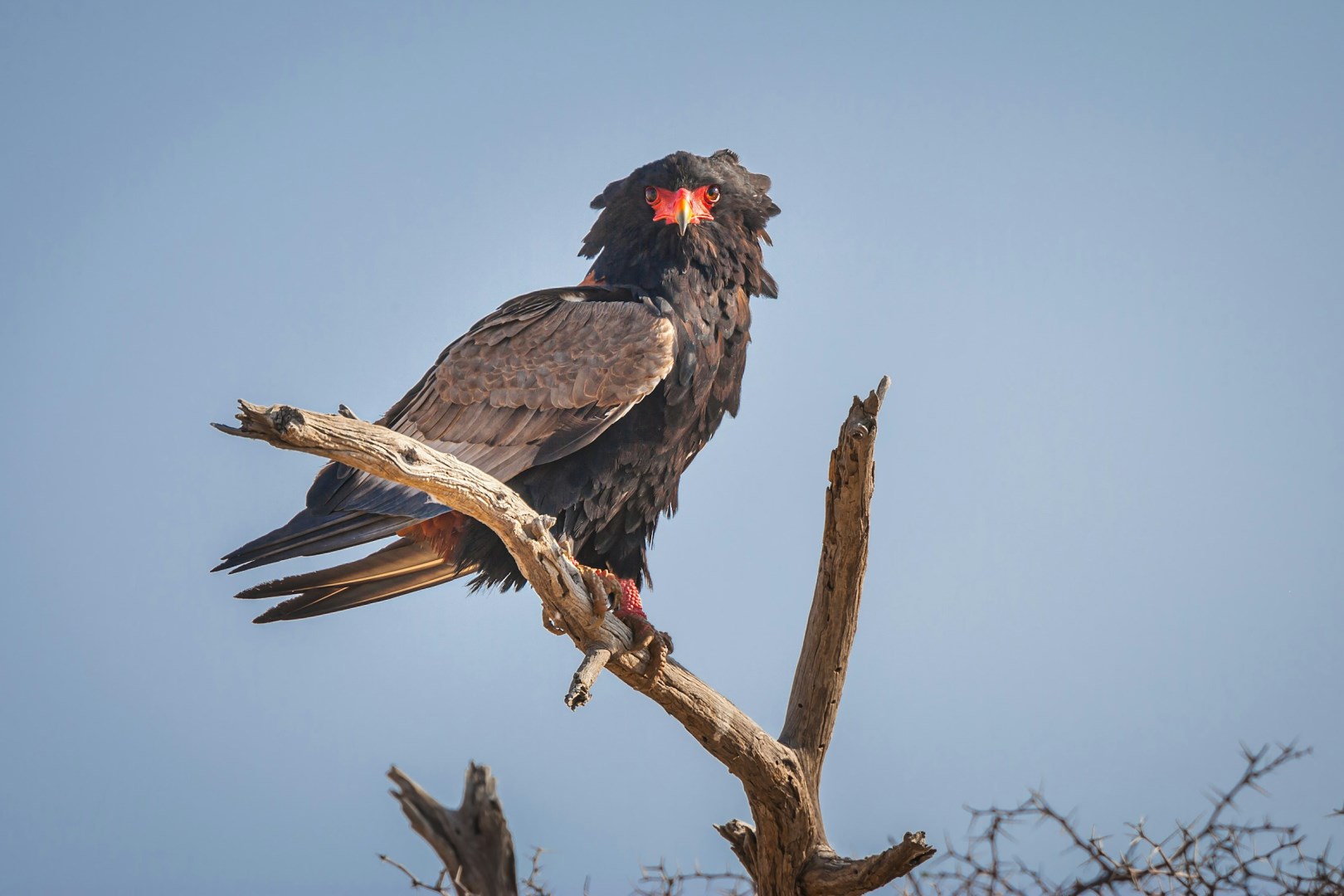
Bateleur eagle - Photo Credit: Photo by Chris Stenger on Unsplash
Bateleur eagle
Photo Credit: Photo by Chris Stenger on Unsplash
Bateleur eagle - Photo Credit: Photo by Chris Stenger on Unsplash
 Photo Credit: Photo by Chris Stenger on Unsplash
Photo Credit: Photo by Chris Stenger on Unsplash
 Photo Credit: Photo by Chris Stenger on Unsplash
 Photo Credit: Photo by Antonius Smal on Unsplash
Photo Credit: Photo by Antonius Smal on Unsplash
 Photo Credit: Photo by Antonius Smal on Unsplash
 Photo Credit: Photo by Antonius Smal on Unsplash
Photo Credit: Photo by Antonius Smal on Unsplash
 Photo Credit: Photo by Antonius Smal on Unsplash
 Photo Credit: Photo by Ansie Potgieter on Unsplash
Photo Credit: Photo by Ansie Potgieter on Unsplash
 Photo Credit: Photo by Ansie Potgieter on Unsplash
 Photo Credit: Photo by Doretha Rost on Unsplash
Photo Credit: Photo by Doretha Rost on Unsplash
 Photo Credit: Photo by Doretha Rost on Unsplash
 Photo Credit: Photo by Chris Stenger on Unsplash
Photo Credit: Photo by Chris Stenger on Unsplash
 Photo Credit: Photo by Chris Stenger on Unsplash

Kgalagadi Transfrontier Park is a large protected area spanning the border between South Africa and Botswana in the southern Kalahari. It combines red sand dunes, dry riverbeds, grass-covered plains, and scattered camel thorn trees across a semi-arid landscape. The park is managed cooperatively by the two countries, allowing wildlife to move across the international boundary without fences. South Africa’s section is linked with Botswana’s conservation areas, creating an extensive range for animals adapted to the Kalahari. The park is particularly known for its open terrain, sparse vegetation, and excellent opportunities for observing desert wildlife.

The Kalahari has long been associated with Indigenous San communities whose knowledge of plants, animals, water sources, and seasonal conditions developed through generations of living in the region. The park also contains cultural sites and traces of earlier human activity. The Nossob and Auob riverbeds are central features of the landscape, although they usually remain dry and fill only after significant rainfall. Traditional understanding of these dry environments remains relevant to interpreting the region, while modern conservation focuses on protecting wildlife across national boundaries and maintaining the ecological processes of the Kalahari.

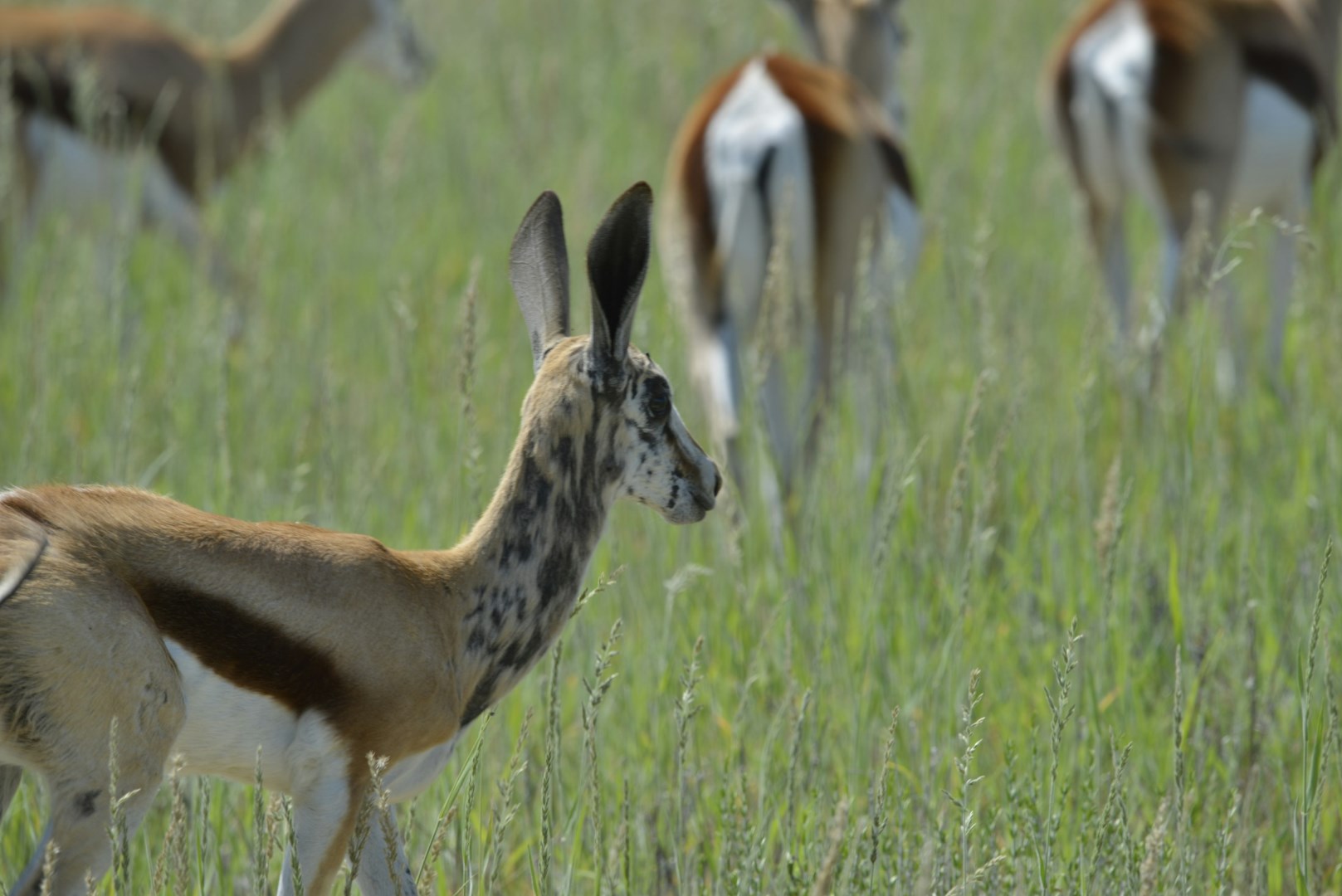
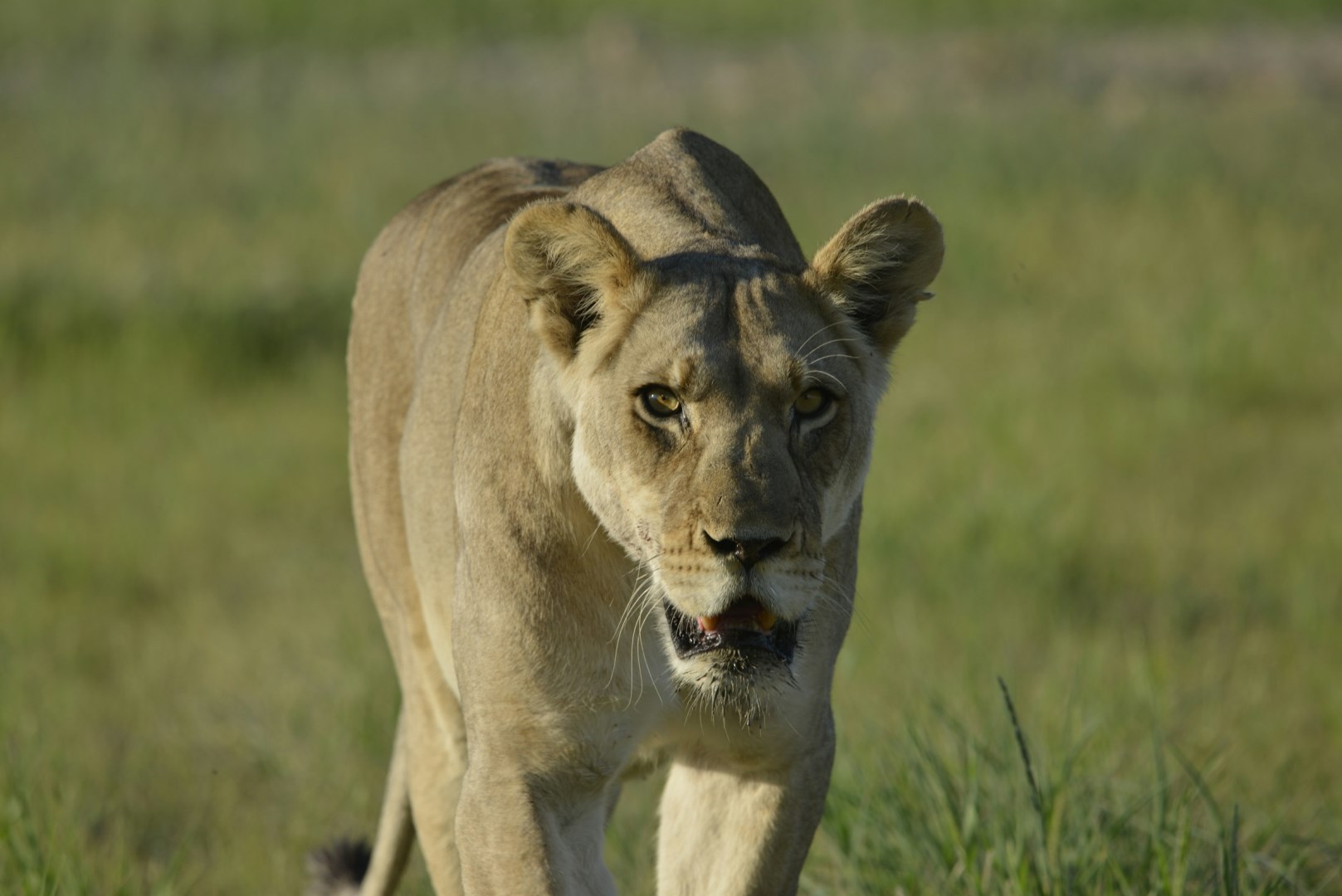
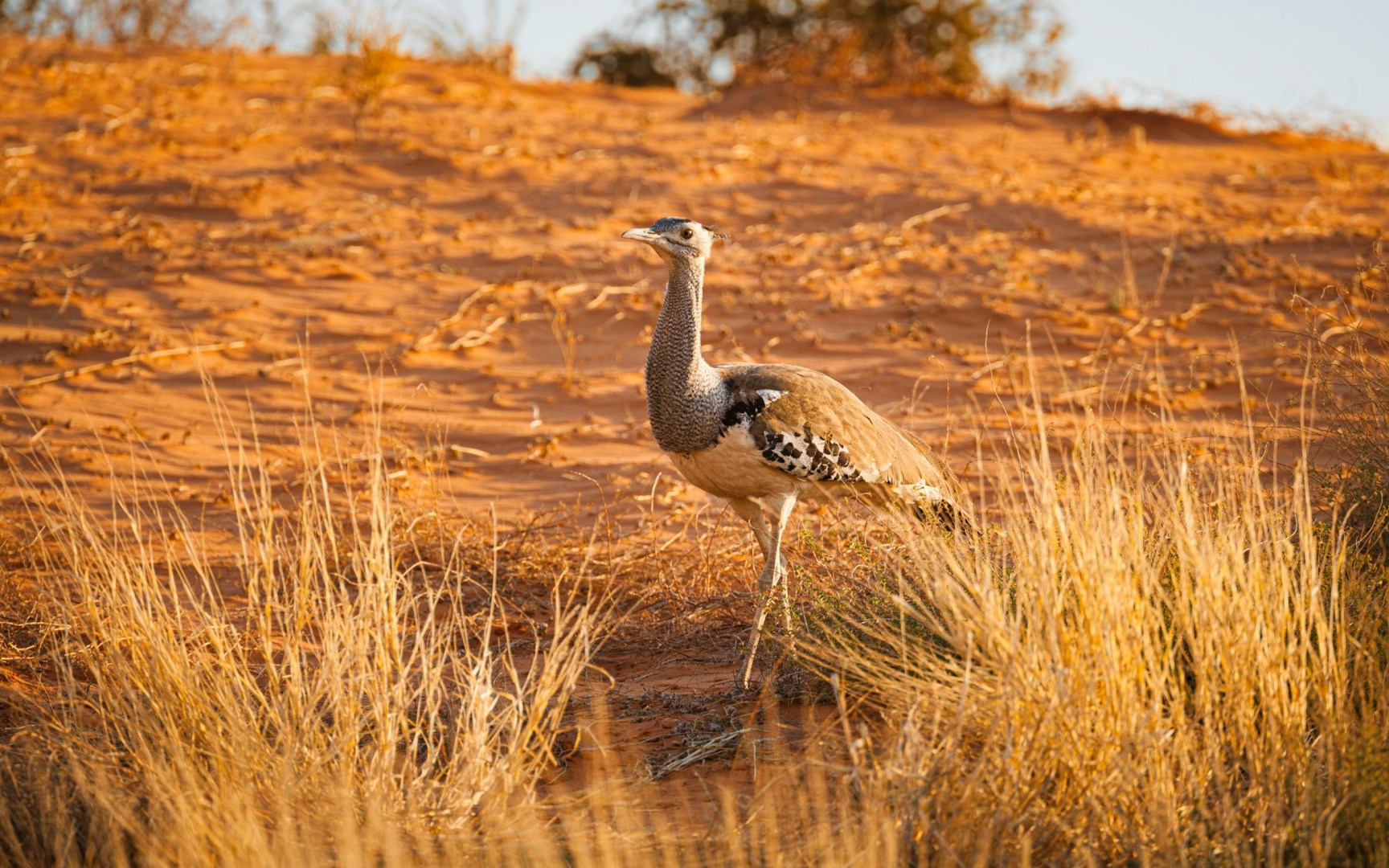
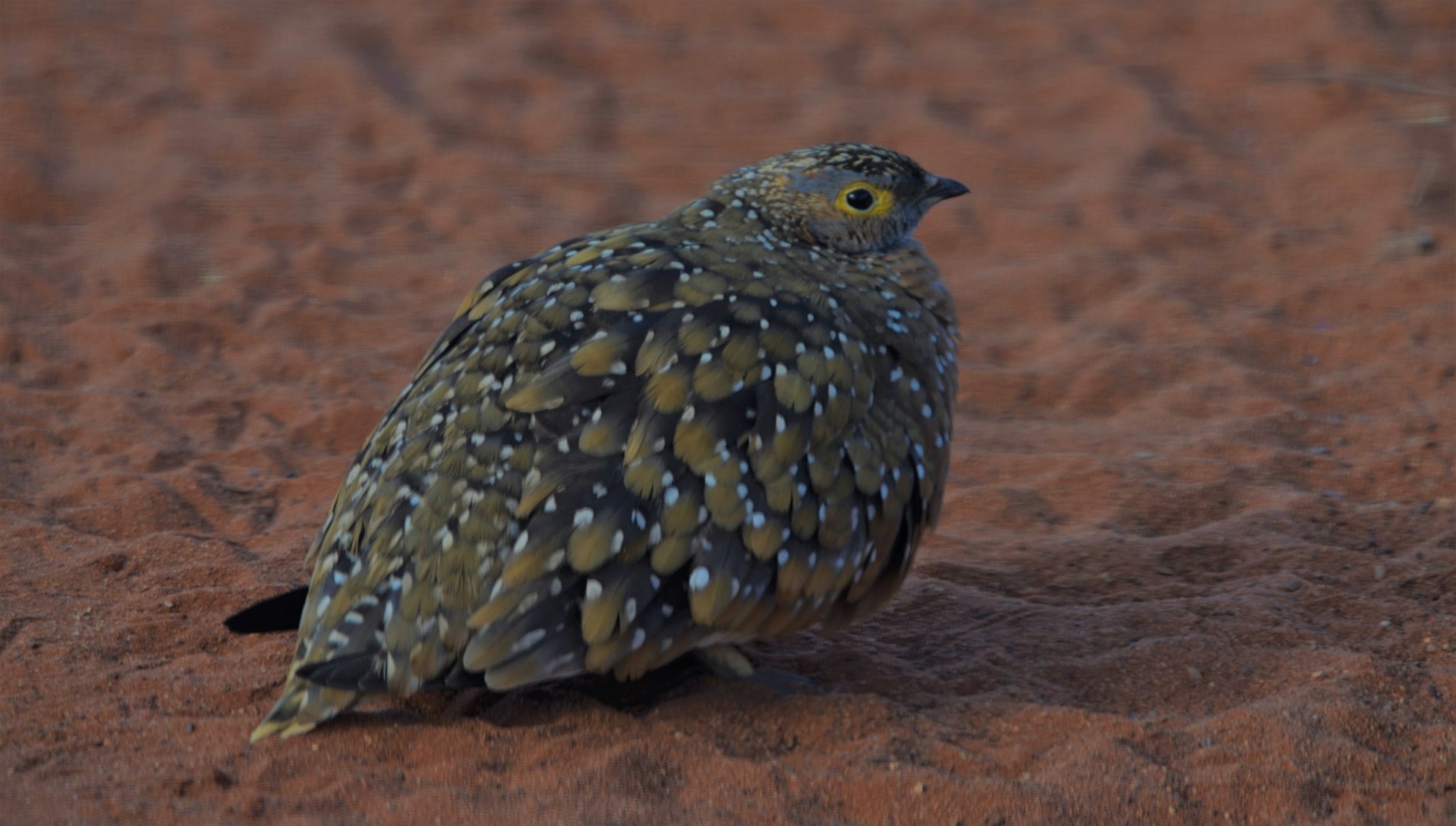
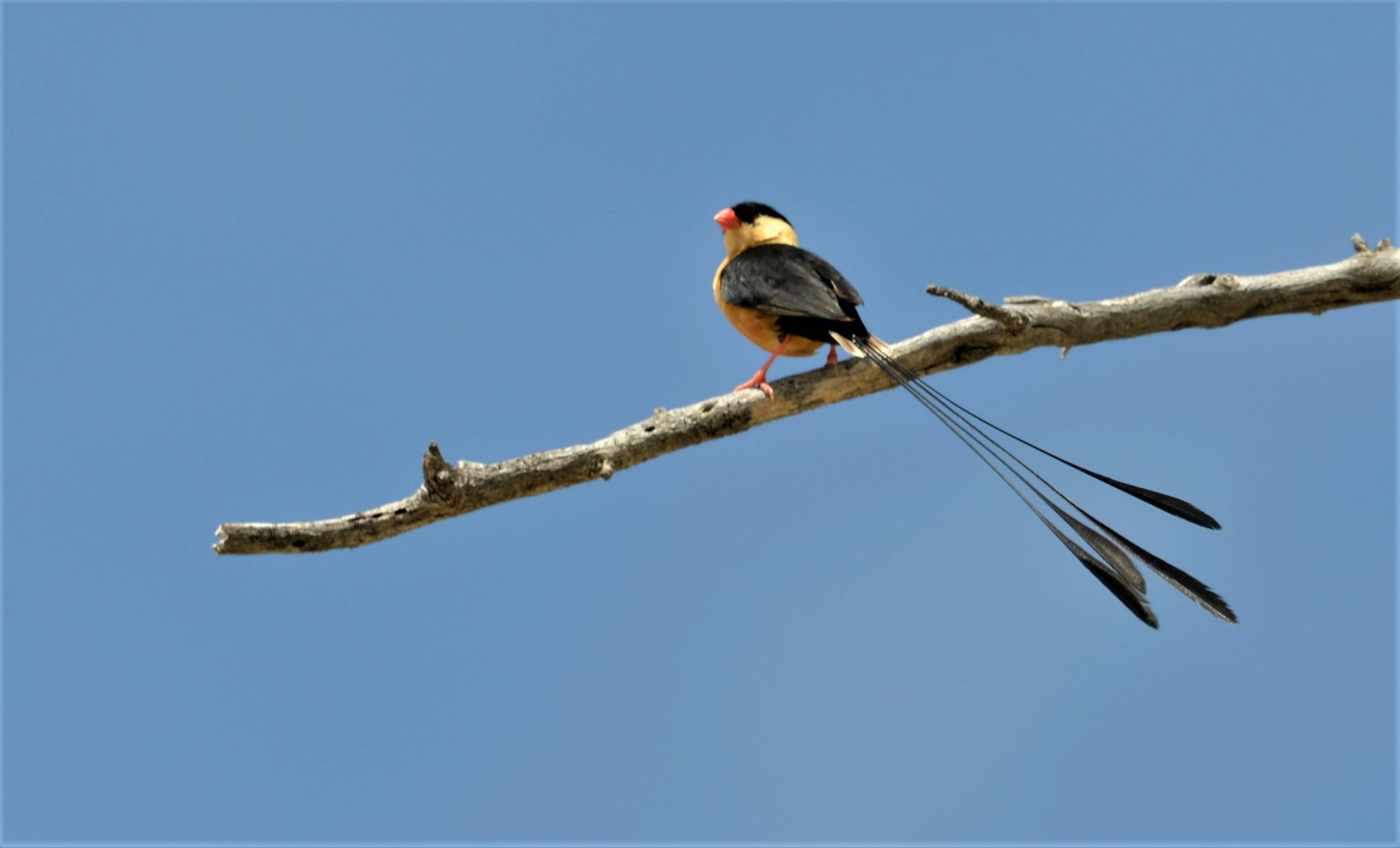
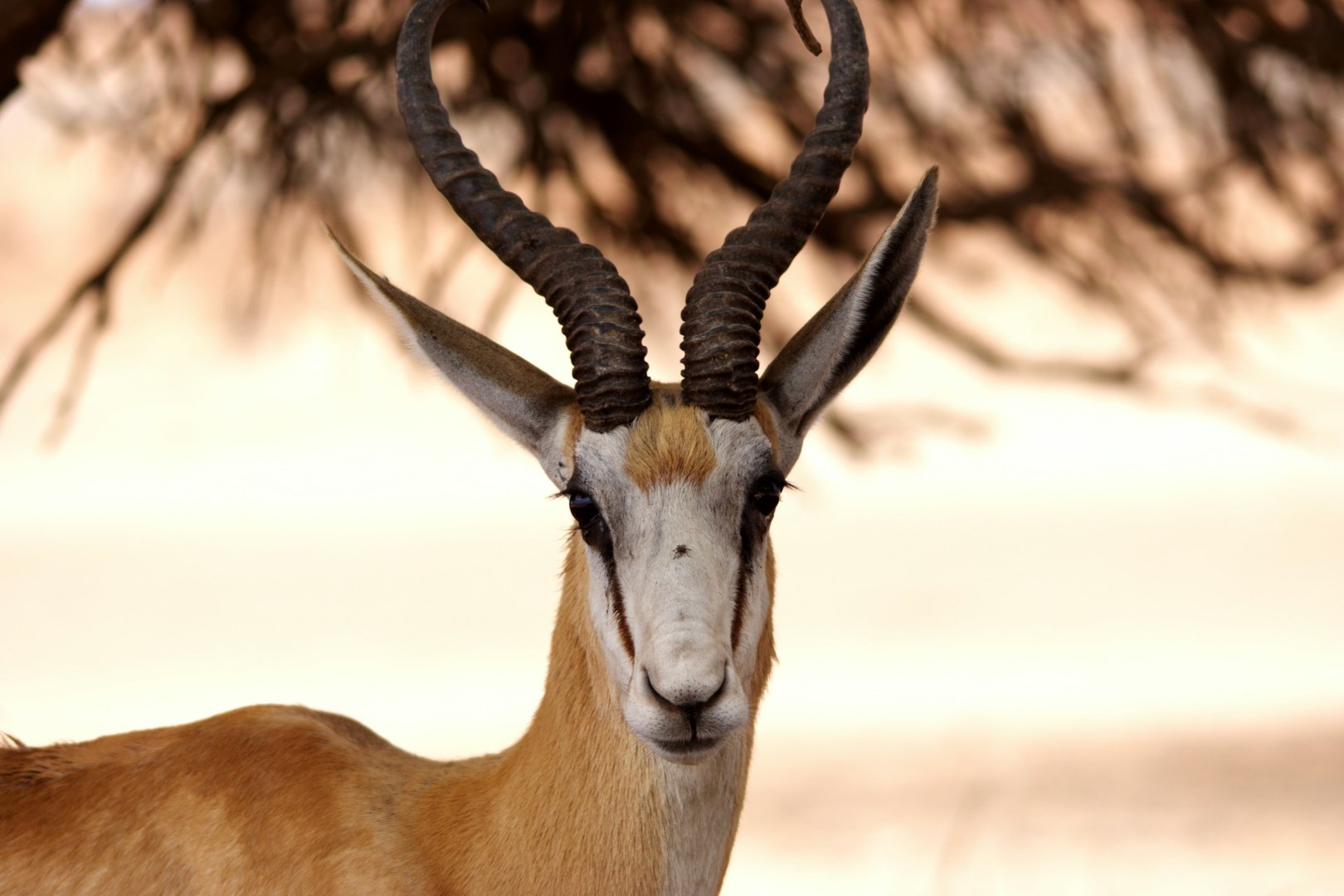
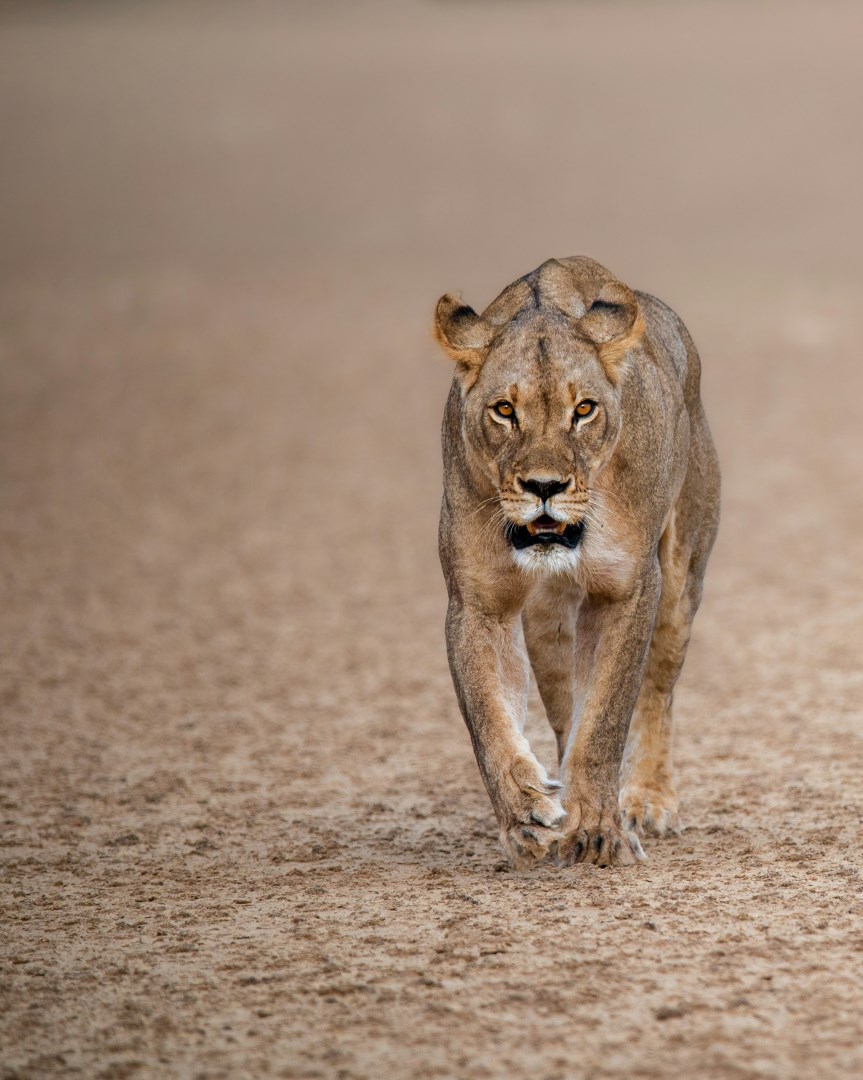
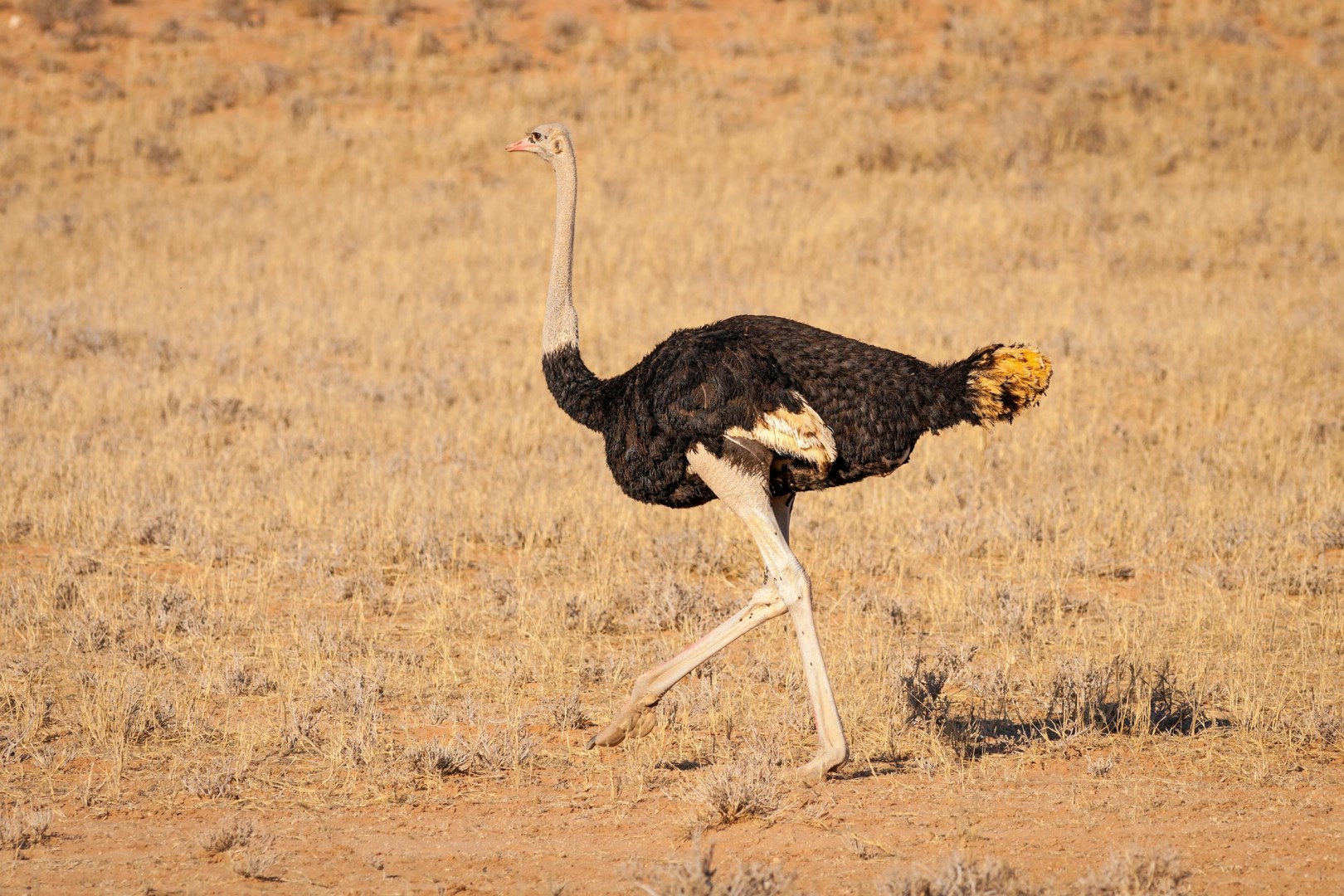
The park’s wildlife is well adapted to its dry surroundings. Black-maned Kalahari lions are among its most recognizable animals, while cheetahs, leopards, spotted hyenas, brown hyenas, and African wild dogs can also occur. Herbivores include gemsbok, springbok, wildebeest, and eland, which gather around waterholes and along the dry river valleys. Birdlife is particularly noticeable around water sources, with secretarybirds, kori bustards, ostriches, and several raptor species found in the park. Visitors can explore the landscape on self-drive routes or guided game drives, with camping and wilderness accommodation available at several locations.

The park’s dry climate shapes both its vegetation and the practical experience of visiting. Camel thorn trees provide shade and food for wildlife, while grasses and low shrubs respond quickly to seasonal rainfall. The Kalahari’s wide horizons also make the area suitable for night-sky observation, with limited artificial light around the camps. Meals at park camps and nearby lodges often draw on South African traditions, including grilled meats, stews, and locally familiar side dishes. One distinctive feature is the park’s transfrontier design: wildlife can follow natural routes across the former international boundary between South Africa and Botswana.

Other Popular Destinations in Botswana

Chobe National Park
Chobe National Park
Chobe National Park, located in the far northeastern corner of Botswana, is a haven for wildlife enthusiasts and one of Africa's premier safari destinations. Known for its immense elephant population—estimated at over 120,000—the park offers an unparalleled opportunity to witness these majestic creatures in their natural habitat
Africa  /  Botswana
Okavango Delta
Okavango Delta
The Okavango Delta, located in Botswana, is one of Africa’s most extraordinary natural wonders. This vast inland delta, renowned for its rich biodiversity and stunning landscapes, offers a unique opportunity to experience a pristine wilderness. As the Okavango River meanders into the Kalahari Desert, it creates a sprawling floodplain that transforms into a lush oasis during the annual flood.
Africa  /  Botswana
View More Botswana Destinations
Placeholder


Placeholder


Contact Us

305-531-8999


Terms Of Use | Privacy Policy