


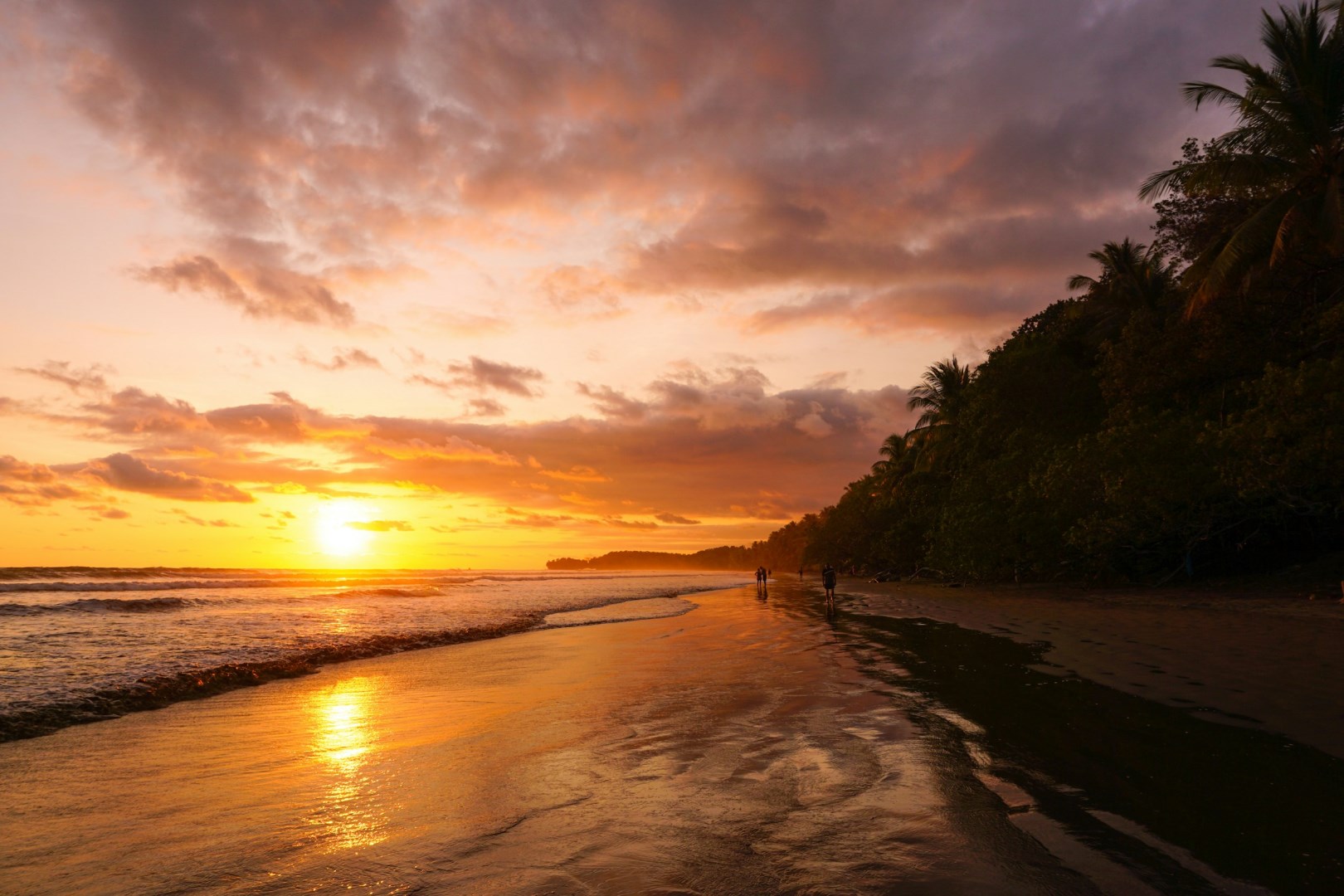

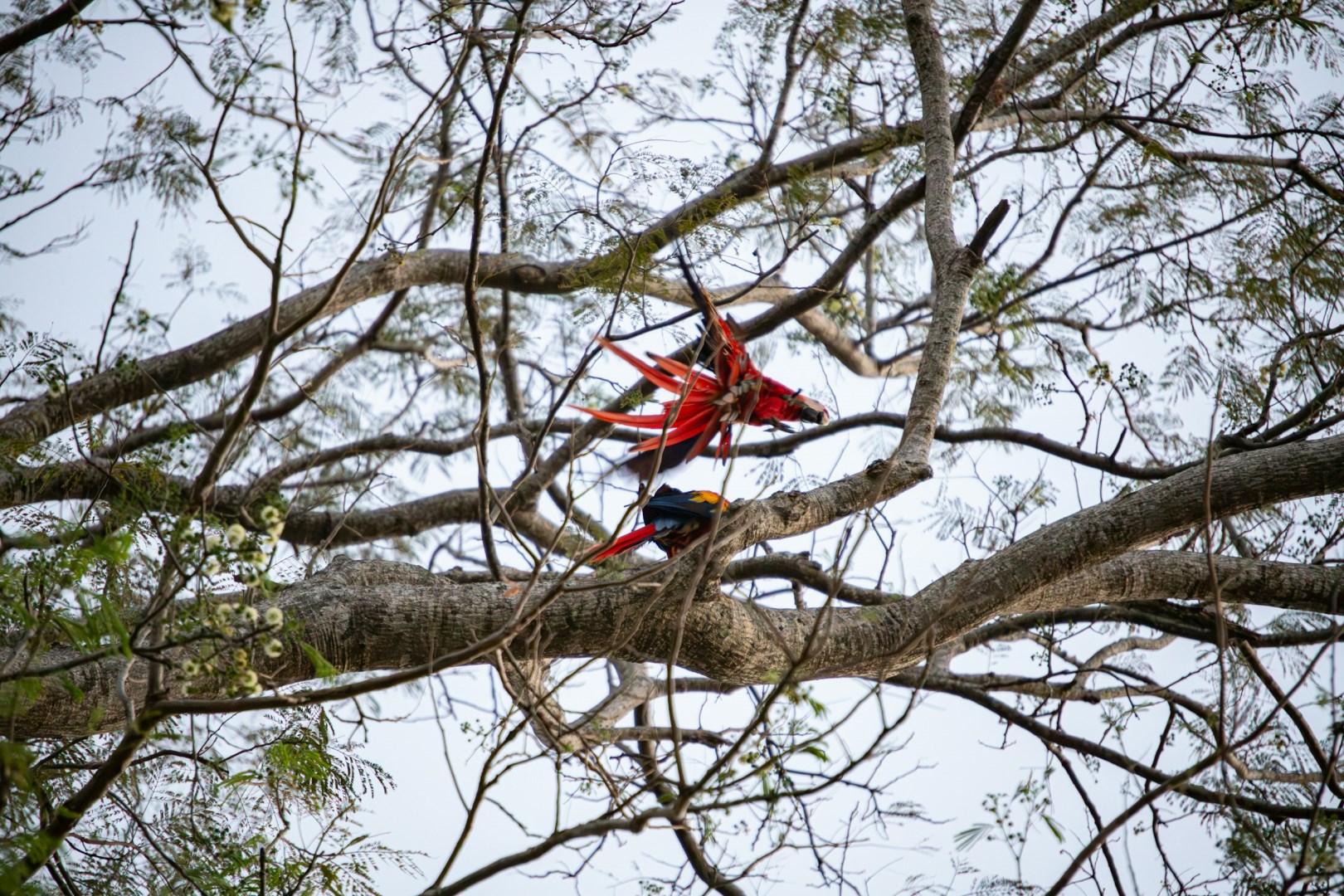
Uvita is a small coastal community in southern Costa Rica's Puntarenas Province, located along the Pacific coast on the Osa Peninsula region. The town is surrounded by tropical forest, rivers, mangroves, farms, and beaches, with the forested mountains of the coastal range rising inland. Uvita is closely associated with Marino Ballena National Park, which protects sections of the coastline and offshore waters. The community has developed around agriculture, fishing, conservation, and small-scale tourism, with local businesses providing accommodation, food, guiding, and boat services. Its setting brings together rural landscapes and protected Pacific ecosystems.
Uvita's local identity is connected to farming, fishing, and the coastal communities of southern Costa Rica. Small farms in the surrounding area produce bananas, plantains, palm products, and other tropical crops, while fishing remains an important traditional activity along the coast. Community involvement in conservation has also shaped the region, particularly around Marino Ballena National Park and its marine resources. The nearby town of Bahía provides additional services and has a history closely tied to fishing and agriculture. Together, these communities reflect the rural and maritime traditions of Costa Rica's southern Pacific coast.
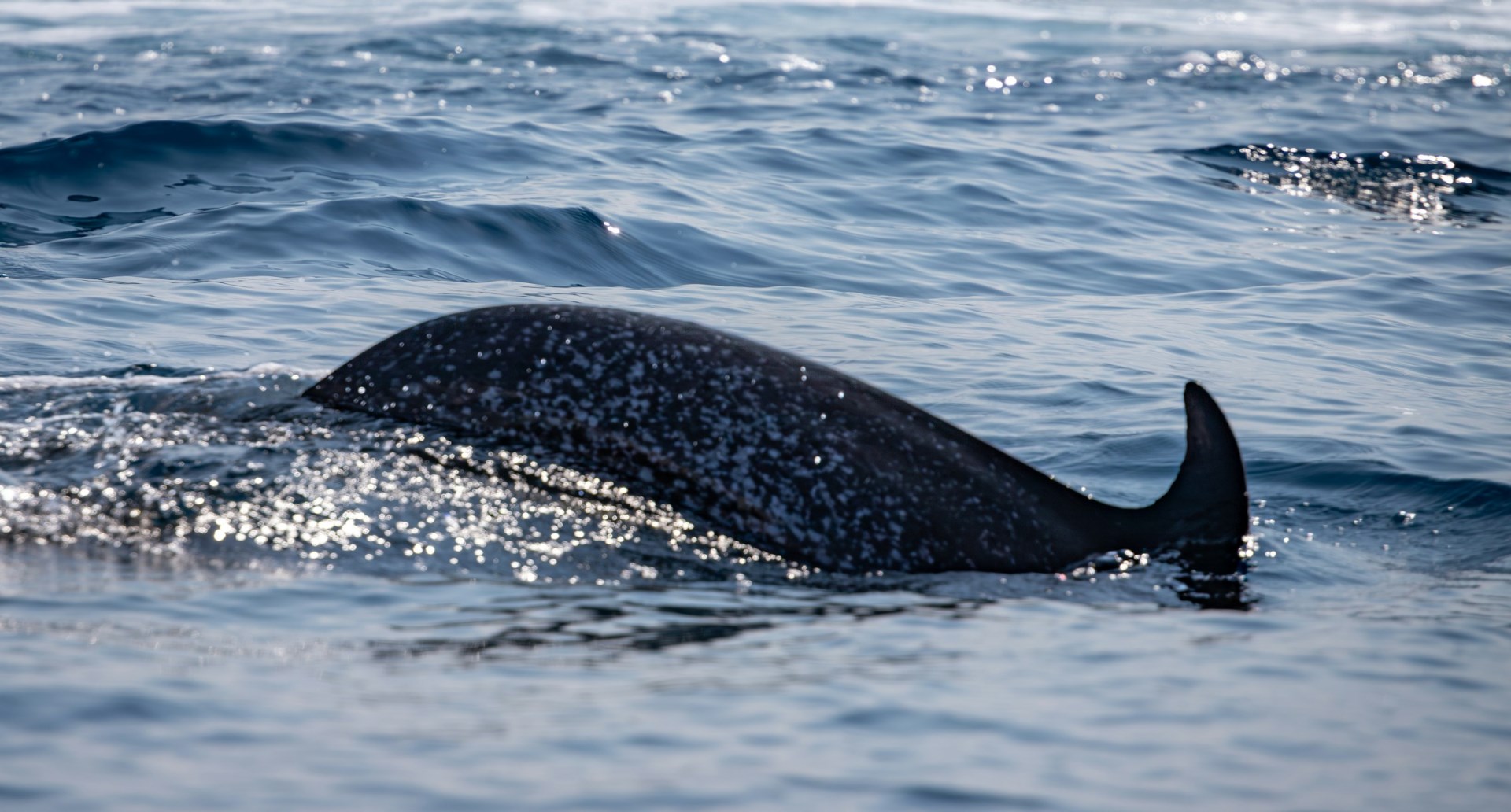
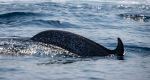
Marino Ballena National Park is Uvita's main natural attraction, protecting beaches, mangroves, coral and rocky reefs, seagrass areas, and offshore waters. The park's best-known feature is the Uvita Tombolo, commonly called the Whale Tail, a naturally formed coastal structure that becomes especially visible at low tide. Boat excursions can reach offshore areas where dolphins, sea turtles, rays, and seasonal humpback whales may be observed. Nearby waterfalls and rainforest trails provide access to freshwater and forest environments, while the surrounding coast includes beaches such as Playa Uvita, Playa Hermosa, and Playa Ventanas.
Food in Uvita reflects Costa Rican coastal cooking, with fresh fish and seafood commonly served alongside rice and beans, plantains, ceviche, casado, tortillas, and tropical fruit. Local farms contribute produce to restaurants and markets, including bananas, plantains, citrus, and other crops suited to the warm Pacific climate. A distinctive feature of Uvita is the relationship between the community and Marino Ballena National Park, where the land-based trails, beaches, mangroves, and marine habitats form one connected protected landscape. Seasonal whale migrations add another notable element, bringing large marine mammals close to the Pacific coast during parts of the year.

