

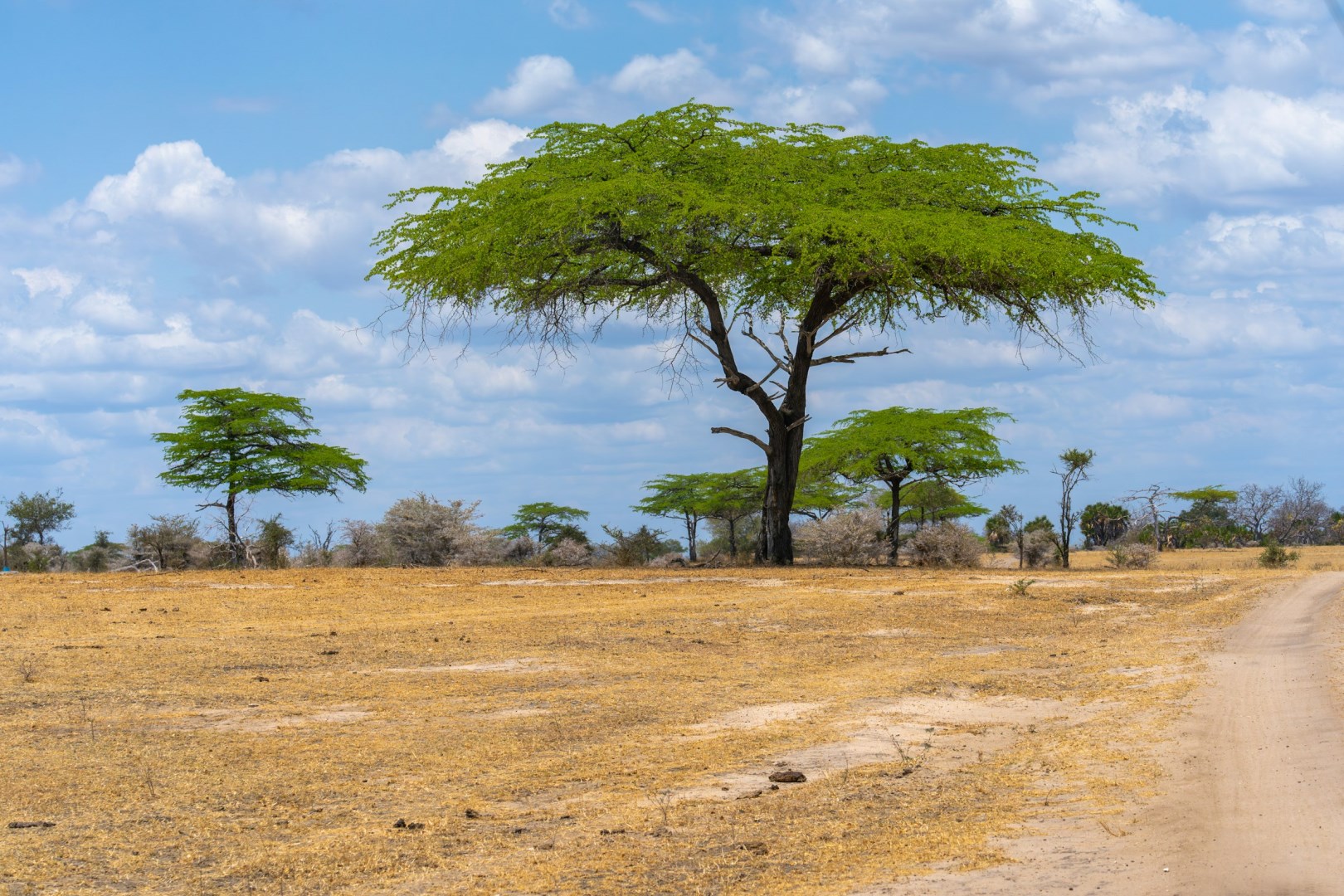
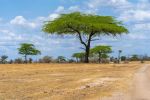
Nyerere National Park is a vast protected area in southern Tanzania, centered on the Rufiji River and the surrounding miombo woodlands, floodplains, grasslands, and wetlands. It forms part of the wider Selous ecosystem and is one of Tanzania’s largest national parks, covering more than 30,000 square kilometres. The Rufiji is the defining geographical feature, creating channels, oxbow lakes, sandbanks, and seasonally flooded plains. This combination of river and woodland habitats supports a wide range of wildlife while giving the park a landscape that differs from Tanzania’s better-known northern safari areas.
The park occupies part of the historic Selous landscape, an area with a long association with wildlife conservation and changing land-use practices. Its name honours Julius Nyerere, Tanzania’s first president and an important figure in the country’s modern history. The wider region is also connected with communities whose livelihoods include farming, fishing, livestock keeping, and other activities around the Rufiji basin. Conservation programmes increasingly emphasize cooperation with neighbouring communities, while anti-poaching patrols, ecological research, and habitat protection remain important parts of managing the park and its wildlife.
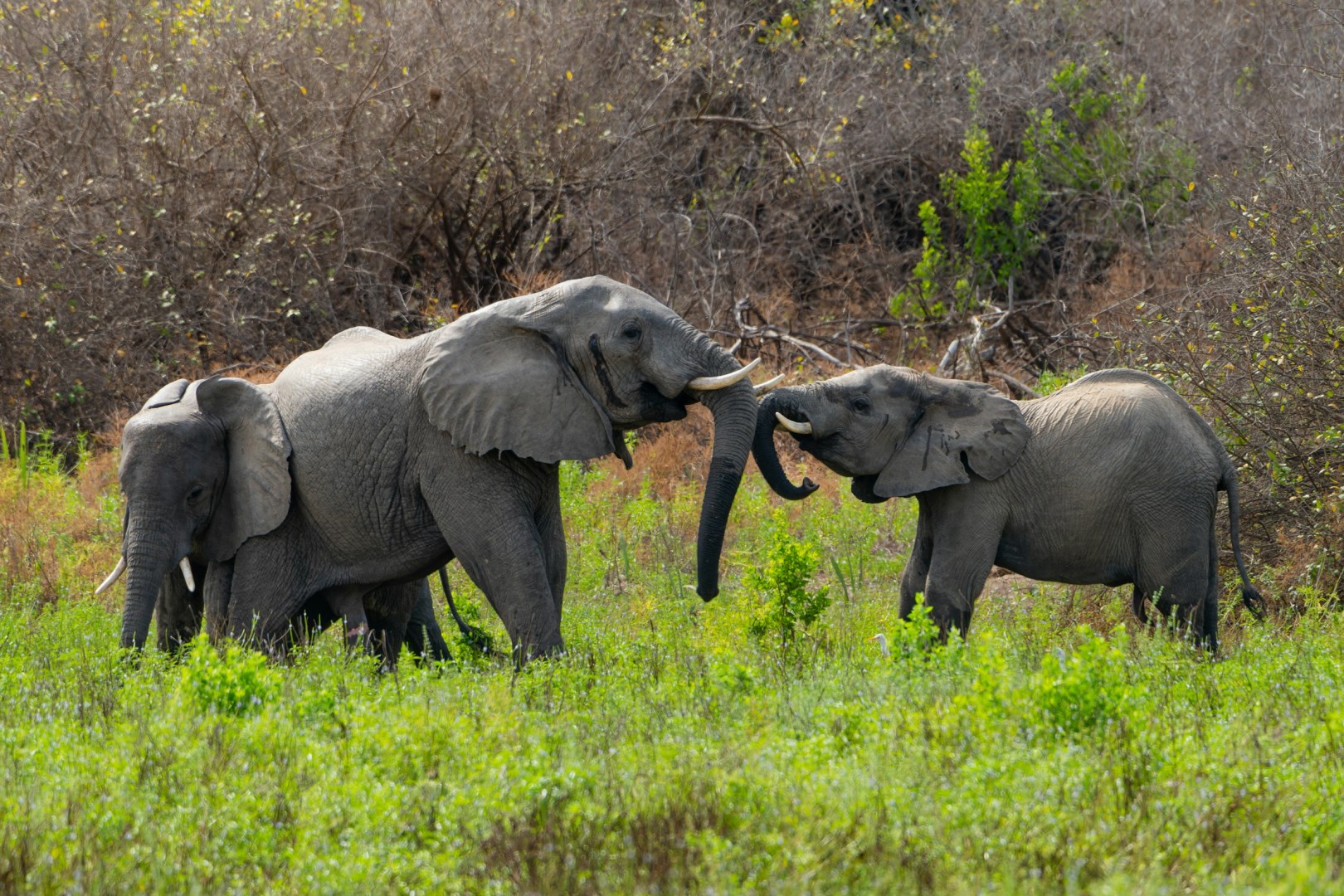
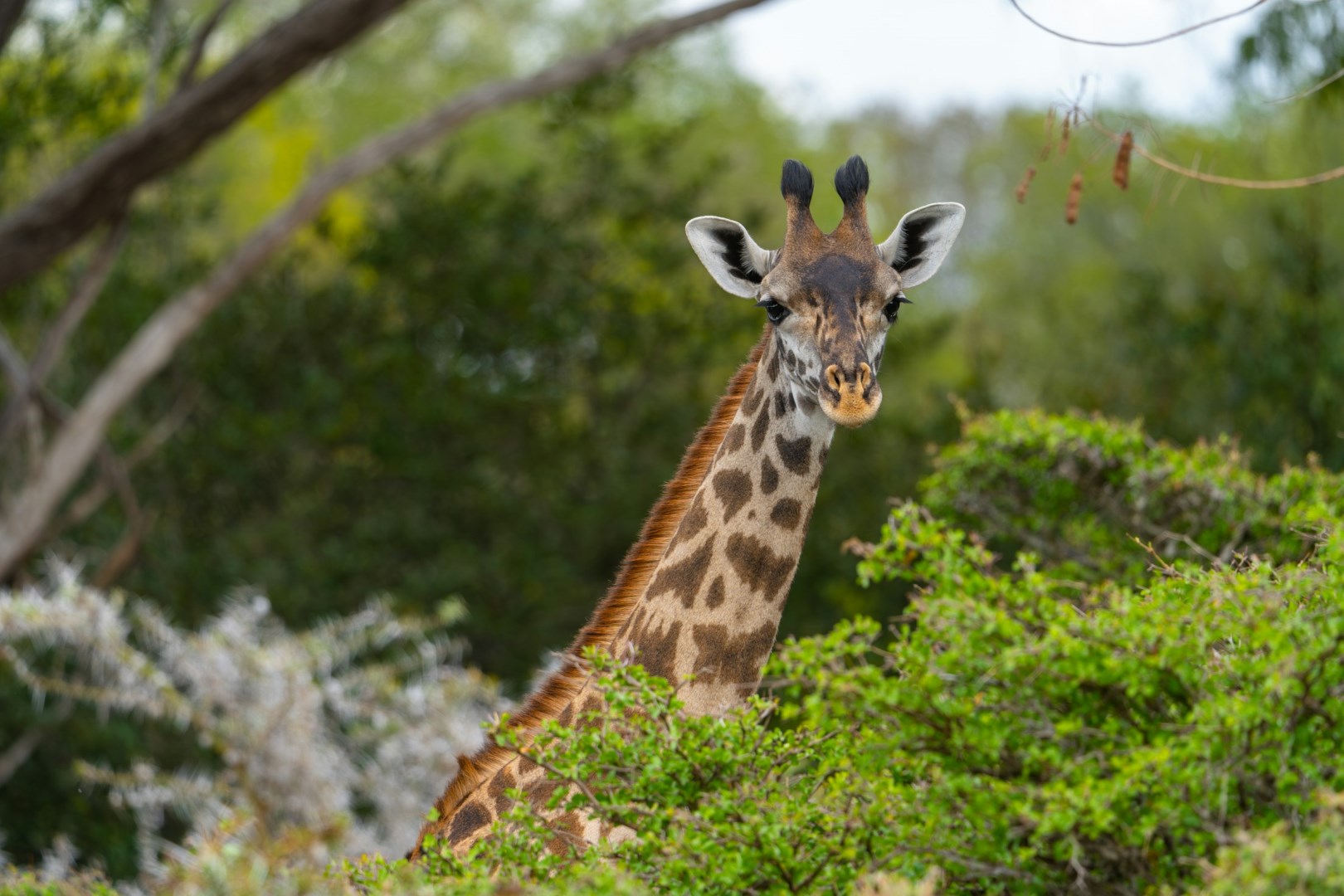
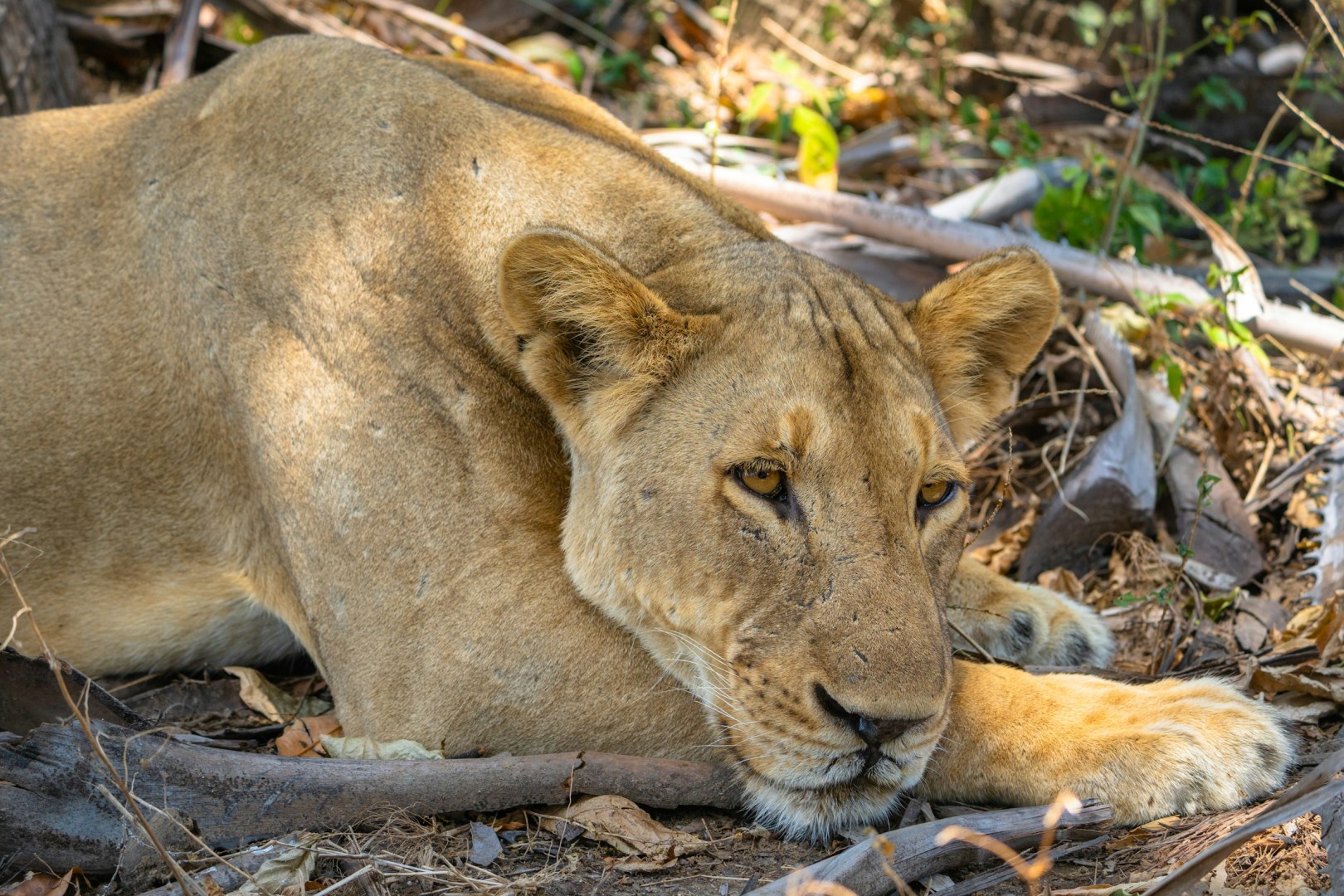
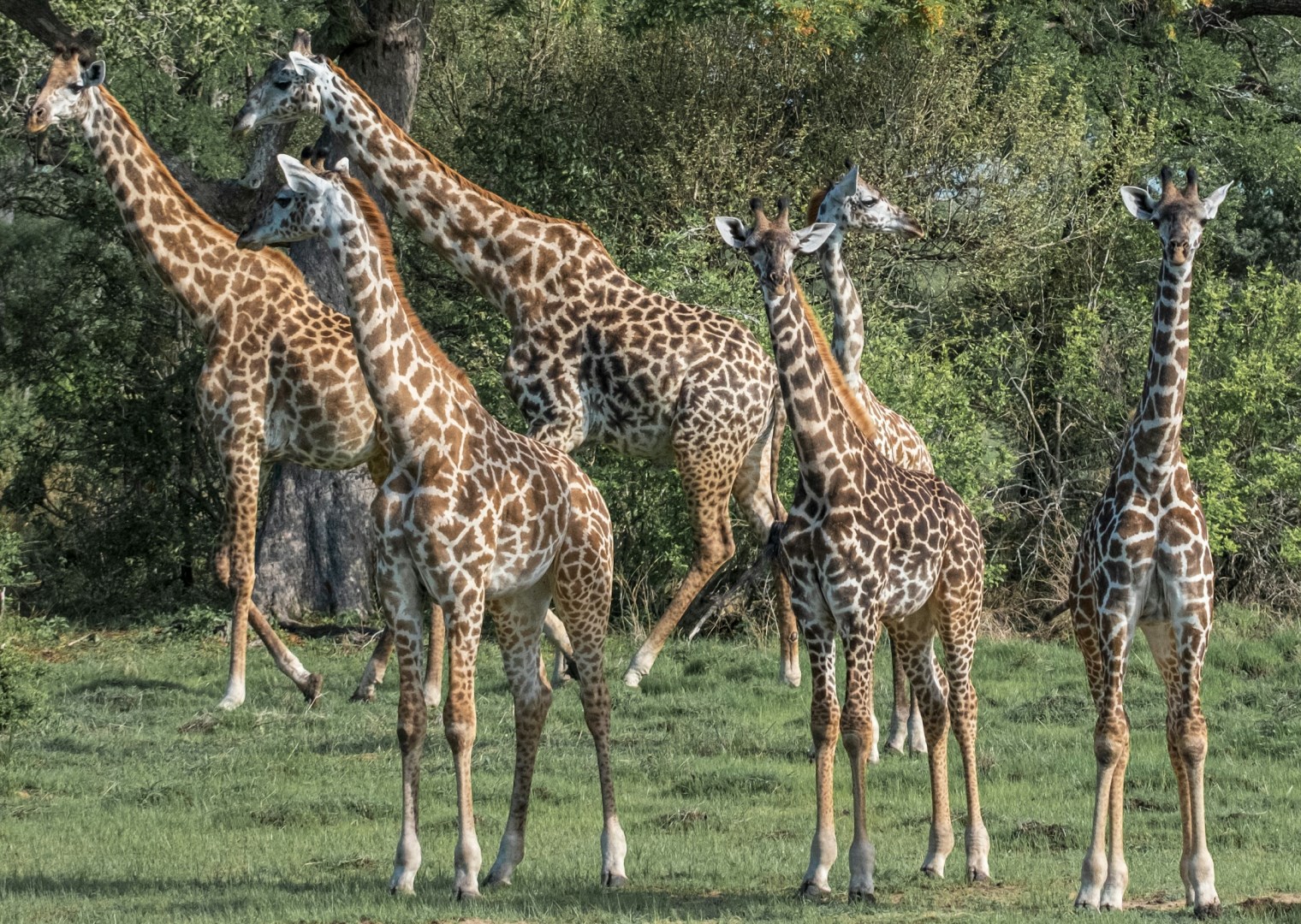
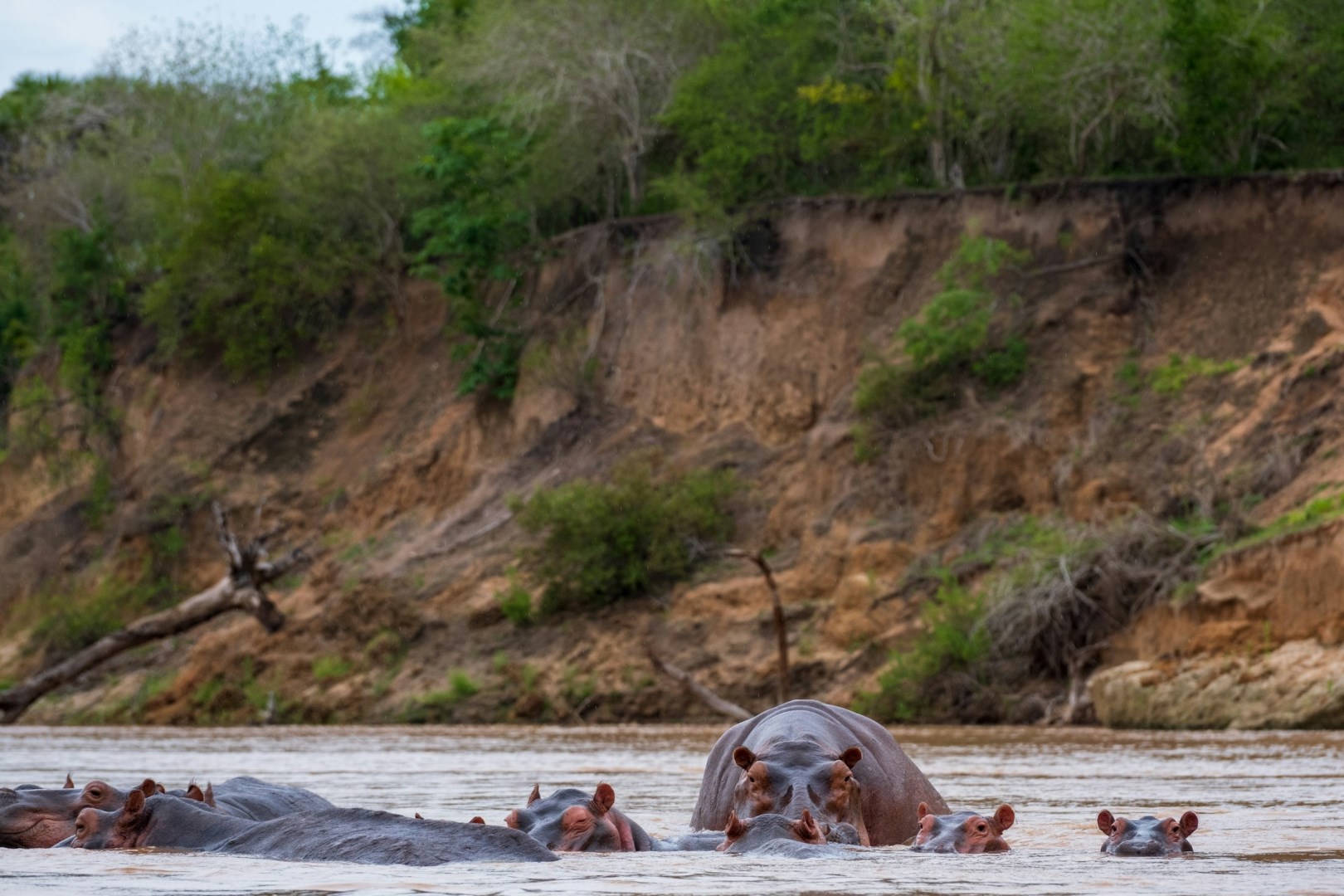
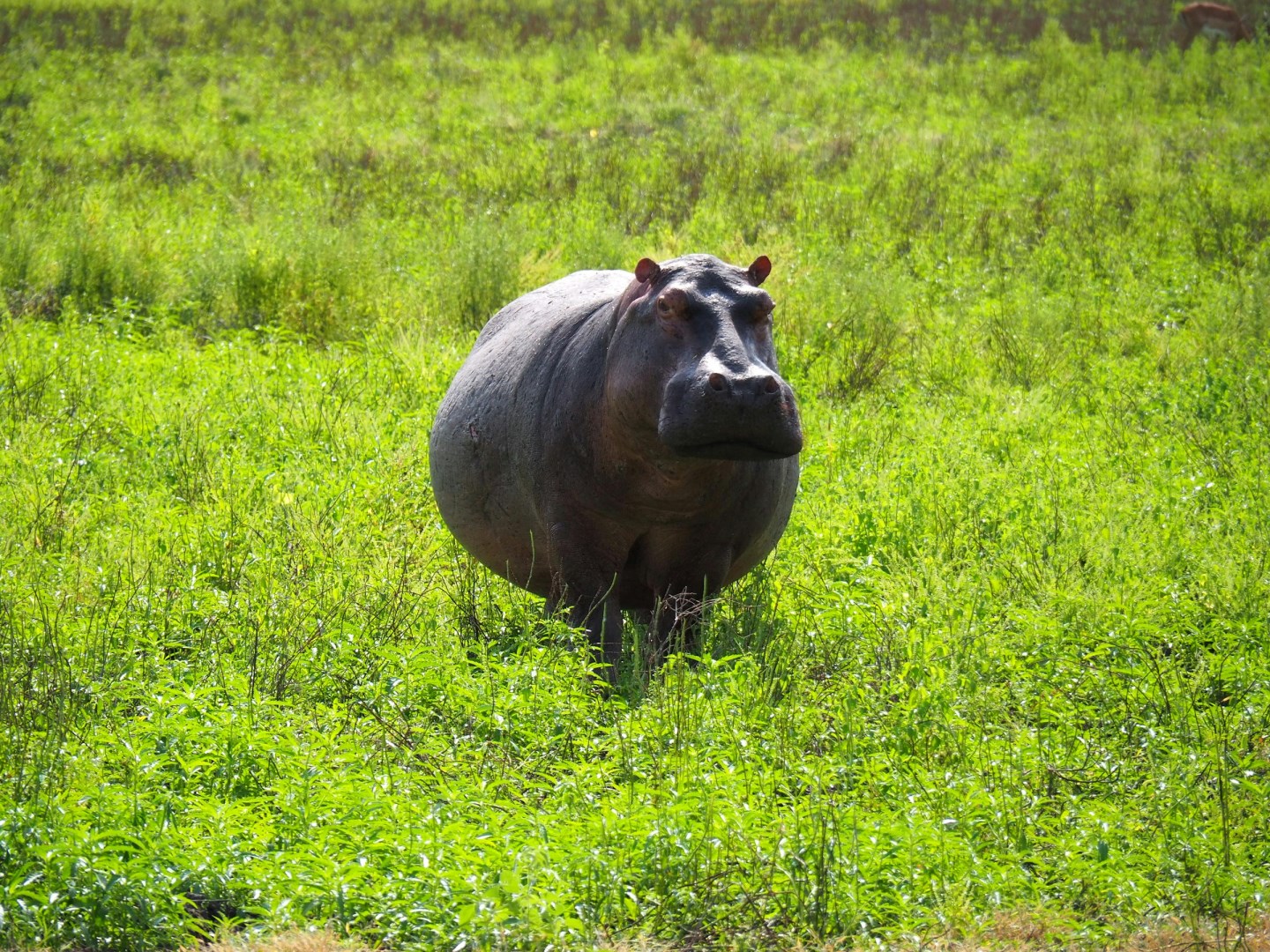
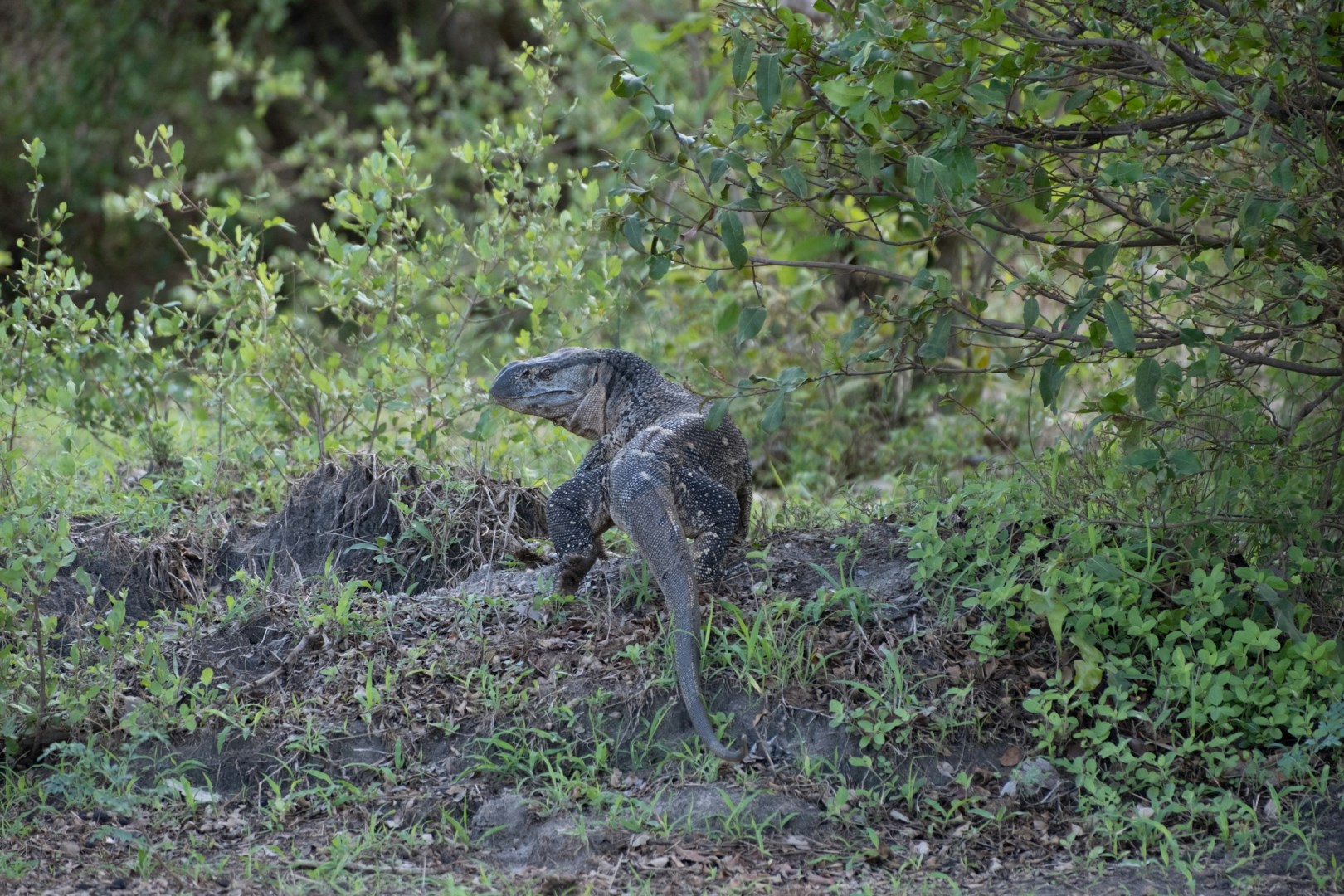
The Rufiji River provides one of Nyerere’s most distinctive safari experiences, with boat excursions passing hippos, crocodiles, waterbirds, and wildlife along the riverbanks. Game drives explore open plains and miombo woodland, where elephants, buffalo, lions, leopards, giraffes, zebras, wildebeest, greater kudu, sable antelope, and other species can be seen. Nyerere is also one of Africa’s important strongholds for African wild dogs. Guided walking safaris offer a closer look at tracks, plants, insects, and smaller animals. More than 400 bird species have been recorded, including fish eagles, kingfishers, bee-eaters, and other wetland species.
The park’s varied habitats support distinctive plant communities, including miombo woodland, riverine vegetation, grassland, palms, and baobabs. Seasonal changes in rainfall and river levels influence wildlife movements, with waterholes, lakes, and river channels becoming particularly important during drier periods. Fishing remains significant to communities around the Rufiji basin, while local Tanzanian cooking commonly includes rice, maize, beans, vegetables, fish, and meat. Nyerere’s combination of boat safaris, walking routes, and traditional game drives is a notable feature, allowing visitors to experience a large river system as well as the surrounding terrestrial wildlife habitats.

